
|
Alumni Industry Focus: Riverview Men in Landscaping
Tuesday, 11 August 2026
|
|
This month's Industry Focus shines a spotlight on Matt Glascott (OR82), Phil Antcliff (OR95), Alex Longley (OR95), Jack Hayes (OR98) and Les Edwards (OR2000) - five Old Ignatians working across landscape architecture, residential landscaping, pool construction, major infrastructure, public spaces and landscape maintenance. Despite the diversity of their roles, common themes emerge: the increasing value placed on well-designed outdoor spaces, the influence of technology and sustainability, and the enduring importance of relationships, teamwork, humility and a strong work ethic - values shaped by their time at Riverview and strengthened through the Old Ignatian community.  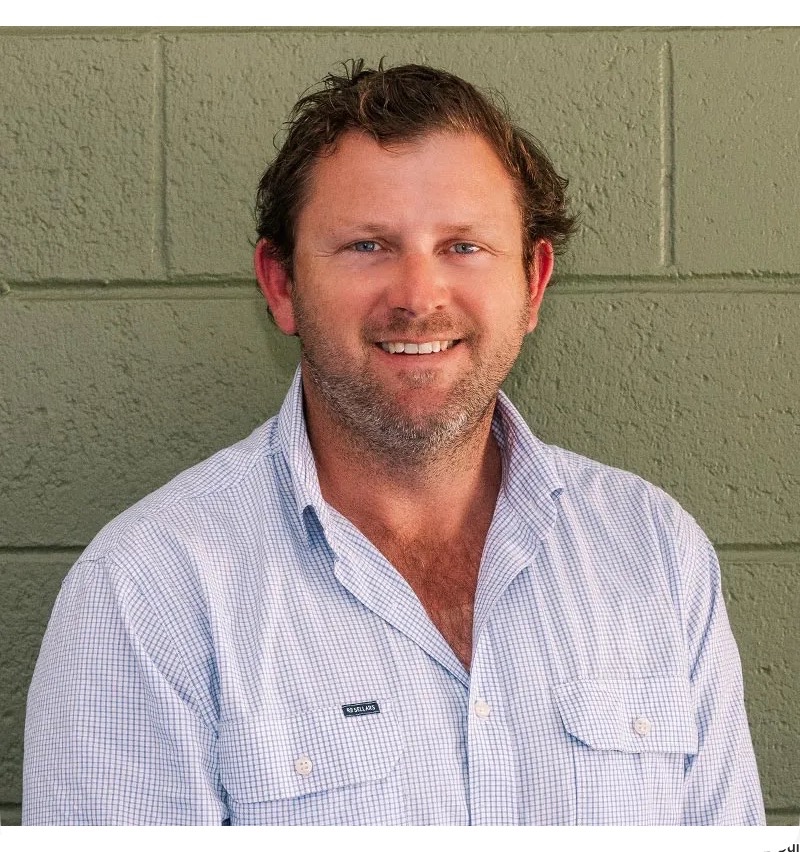 Les Edwards (OR2000) 1. Tell us a bit about your current role and the area of landscaping you work in. I'm a director at ED Landscapes. My main focus is winning new work and managing the design side of the business, as well as overseeing the company as a whole. We work primarily in the residential market, specialising in landscaping for new homes - particularly knock-down rebuilds. We deliver everything from fencing, retaining walls and driveways to planting and garden construction. Essentially, we take care of everything you see outside a new home. 2. What do you find most interesting or challenging about working in this field right now? The constantly changing market is definitely one of our greatest challenges. Supplier and subcontractor costs are always moving, which makes contracts difficult to manage. Because we specialise in new homes, we often sign contracts 12 to 18 months before arriving on site. As you can imagine, costs can change significantly during that time - particularly given what we have seen in the economy over the past six months. Council approvals are another major challenge. We have many projects held up in council, and the longer they remain there, the more clients see their costs rise - sometimes to the point where they decide not to proceed at all. 3. How has the profession evolved since you started your career? Are there any trends you are watching closely? In many ways, we have become outdoor builders—we're no longer simply gardeners. The complexity of modern projects demands considerable planning, including council negotiations, coordinating trades, and working with structural and hydraulic engineers. People also place far greater value on their outdoor spaces today than they did when I entered the industry in 2001. Landscaping is now seen as an integral part of a home rather than something added at the end. 4. How did your time at Riverview shape your career or outlook? Riverview gave me an awareness of opportunity. When we were starting out, there was also tremendous support from within the Riverview community, with people choosing to use our company and helping us get established. If I could sum up what Riverview gave me in one word, however, it would be humility. I think humility is at the heart of good business, and Riverview played a significant part in teaching me that. 5. If you could have dinner with any person, past or present, who would it be—and why? My dad. He passed away during my first year out of school. I reckon we'd find a bit to talk about. Les Edwards (OR2000) Director, ED Landscapes, edlandscapes.com 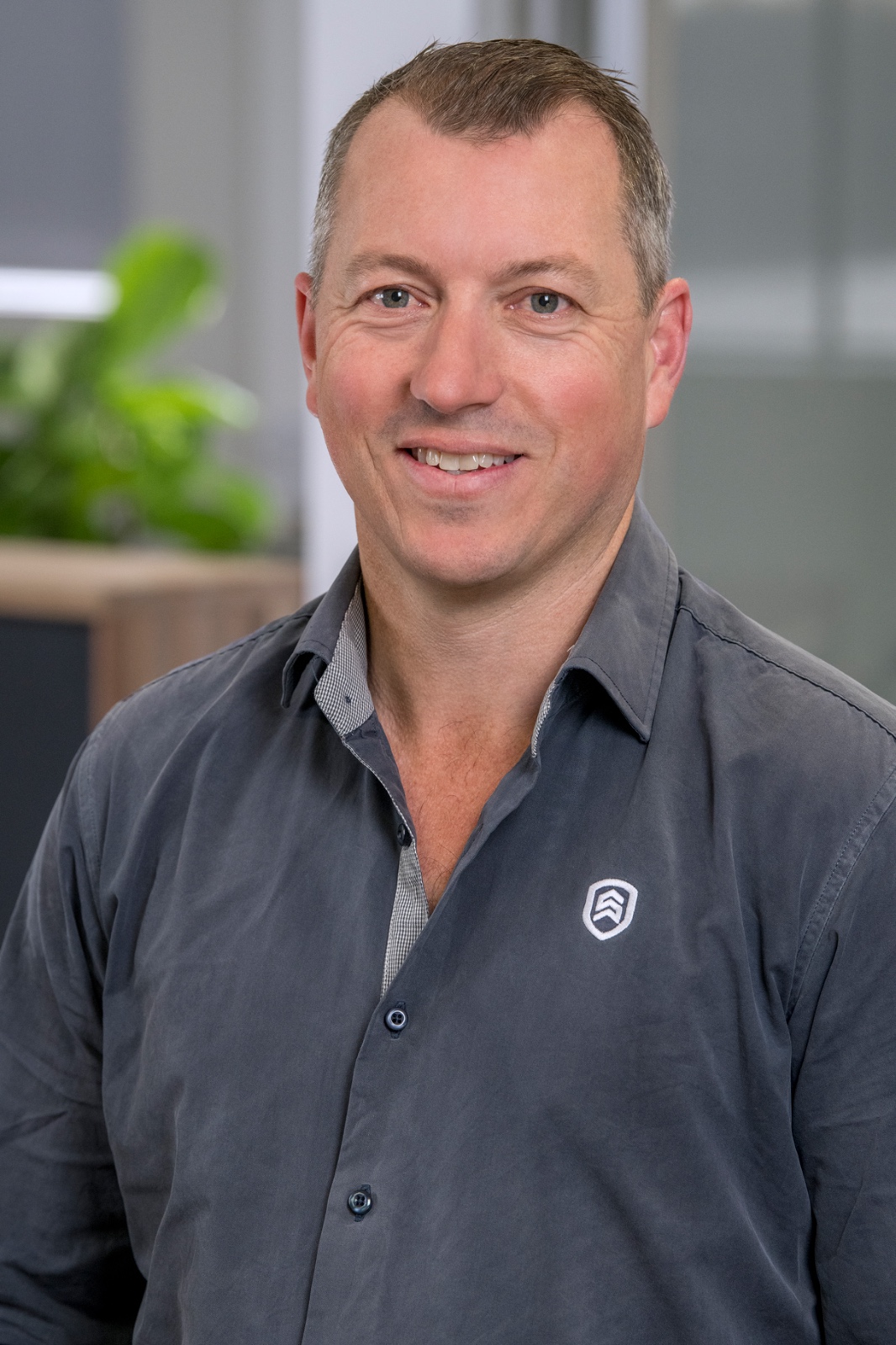 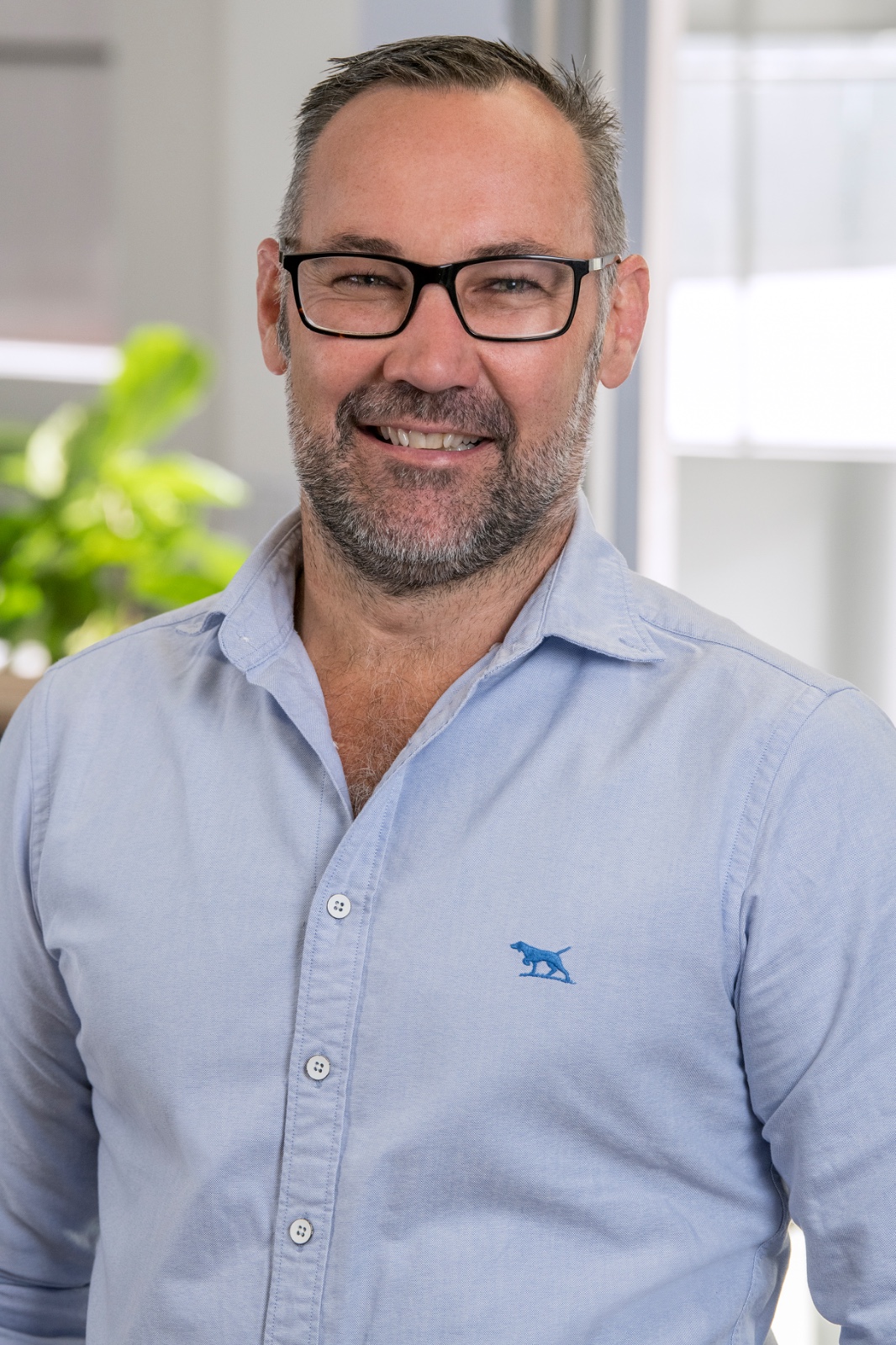 Phil Antcliff (OR95) and Jack Hayes (OR98) 1. Tell us a bit about your current roles and the areas of landscaping you work in. Phil: I'm a director of Fifth Season Landscapes, a Sydney-based landscape and pool design, construction and garden maintenance business. My role is primarily focused on landscape design, client relationships and the overall direction of the business. Jack and I have been business partners for 17 years, with Jack taking care of the construction side of the business. We specialise in high-quality residential landscapes, particularly projects that bring together pools, outdoor entertaining areas, gardens and the architecture of the home. A large part of my role is helping clients turn their ideas into a practical, cohesive design, then working with our team to carry that vision through construction and into ongoing maintenance. Jack: I head up our Landscape and Pool Construction division. It's a busy, hands-on role that allows me to combine high-quality project management with building and motivating a great team of tradespeople. Our focus is on turning architectural concepts into premium outdoor realities, while ensuring our clients have a seamless experience from the first dig to the final handover. 2. What do you find most interesting or challenging about working in this field right now? Phil: One of the most interesting aspects of landscape design is the opportunity to create unique environments that can genuinely change how people live, connect and feel within a space. Each landscape can be tailored to the client, the architecture and the way a family wants to use its home. There is also a growing expectation that outdoor spaces should be considered with the same level of care as a home's interiors. Clients want landscapes that are beautiful and functional, while feeling closely connected to the architecture and their everyday lives. The challenge is balancing those expectations with rising construction costs, planning requirements, environmental considerations and the practical realities of building. A successful landscape must not only look good when completed but continue to perform and evolve over time. Bringing all these elements together is what makes the work both challenging and rewarding. Jack: We are fortunate to work in a highly creative industry where every project is a blank canvas. We deliberately focus on the premium residential market and thrive on close client engagement, bold design ideas and the fine attention to detail that high-end homes demand. No two projects—and no two days—are ever the same. Our biggest challenge at present is recruitment. It is increasingly difficult to find enthusiastic young people who genuinely want to get their hands dirty and learn a practical trade. Landscaping and pool construction offer rewarding career paths, but we need to do more as an industry to attract younger people who enjoy working outdoors, developing tangible skills and seeing the physical results of a hard day's work. 3. How has the profession evolved since you started your careers? Are there any trends you are watching closely? Phil: The profession has become far more sophisticated and collaborative. Landscape design was once brought into a project relatively late, whereas it is now increasingly considered alongside the architecture from the beginning. Technology has also transformed the way we design and communicate, particularly through 3D modelling, realistic visualisation and more integrated project-management systems. I'm watching the development of AI and visualisation technology closely—particularly how it can improve the design process without replacing the experience and judgement needed to create landscapes that genuinely work. Jack: The landscape industry has become incredibly refined. When I started, landscaping was often treated as an afterthought—something homeowners considered once the building budget was already running low. Today, there is a genuine appreciation of the value that a well-planned and well-executed landscape adds to a premium property. Early collaboration with architects and interior designers is now the norm. We are at the table from day one, helping to ensure the transition from inside to outside is seamless. The days of the old "jack-of-all-trades" landscaper are also largely gone. With the level of detail and the range of complex materials involved in a single project, our role has evolved into that of a highly specialised site manager. On any given day, we may be coordinating trade-specific contractors, engineers and artisans, all working towards a single, cohesive vision. 4. How did your time at Riverview shape your career or outlook? Phil: Riverview taught me the value of relationships, teamwork and hard work. Those values have stayed with me throughout my career and continue to shape how we work with our team and clients. Jack: Riverview gave me a foundation of confidence, respect and a strong work ethic. It taught me to believe in my abilities while maintaining a genuine respect for the people around me and the work we do. Those values directly shape how we operate on site. We work hard to instil confidence, mutual respect and accountability in all our staff, regardless of their age or background. For me, leading a division isn't simply about managing a project schedule; it's about mentoring a team and building a culture in which everyone works hard and respects both the craft and one another. 5. If you could have dinner with any person, past or present, who would it be—and why? Phil: I'd choose Richard Branson. I've always enjoyed hearing how businesses grow from a simple idea into something much bigger. It would be fascinating to hear about the challenges, mistakes and key decisions he made along the way—and if dinner happened to be on his private island with a bunch of mates, even better. Jack: It would have to be Sir Edmund Hillary and Sir Ernest Shackleton together. Bringing those two to the same dinner table would provide the ultimate masterclass in leadership, extreme survival and conquering the ends of the earth. Phil Antcliff (OR95), Campion House Jack Hayes (OR98), Xavier House Fifth Season Landscapes, 5thseason.com.au Instagram: @fifthseasonlandscapes 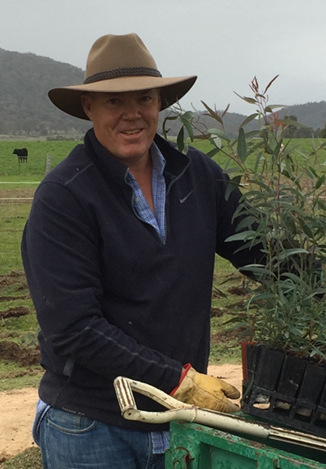 Matt Glascott (OR82) 1. Tell us a bit about your current role and the area of landscaping you work in. I'm the Executive Chairman of Glascott, a national landscape and civil contracting and maintenance business with more than 300 employees. We operate across Victoria, the ACT, the South Coast, Sydney, Newcastle, the Gold Coast and Brisbane. Our core business is infrastructure, commercial and open-space landscaping, so we work on some large and complex projects. These range from major infrastructure and public spaces to commercial landscape construction and ongoing maintenance. The Group also includes specialist businesses such as Citywide, Technigro and Green Horticulture Group. They provide services including landscape maintenance, sports-field construction, maintenance and drainage, golf-course works and other specialist horticultural services. My role is primarily focused on the overall strategy and direction of the Group. I work closely with our management team and our people to grow the business while maintaining the quality, culture and standards that have been important to us throughout our history. 2. What do you find most interesting or challenging about working in this field right now? What I find most interesting is how significantly the green movement has evolved. Governments at all levels now place much greater emphasis on green and open spaces, recognising the benefits they bring to communities by improving health and wellbeing, protecting biodiversity and helping address climate change in urban and regional areas. As a business, we are fortunate to play a part in creating and maintaining those spaces, both within established communities and as part of new developments. It is rewarding to see the impact that good landscape design and construction can have on how people live and interact with their communities. Without doubt, one of our greatest challenges is attracting skilled tradespeople into the construction industry. Young people today have more career opportunities than ever before, and many are naturally drawn to professional, technology and white-collar industries. When I was at school, the traditional career paths promoted to students tended to be law, medicine, economics and engineering. It is great that young people are now exposed to a much broader and more diverse range of industries and careers. The challenge for our industry is ensuring they understand that construction and landscaping can offer equally rewarding careers. These careers provide opportunities to work outdoors, develop practical and business skills, create things that have a lasting impact on communities and see the tangible results of your work. 3. How has the profession evolved since you started your career? Are there any trends you are watching closely? The landscape industry has shifted from being viewed as a "nice to have" at the end of a development to being recognised as a critical part of planning and delivering liveable, sustainable communities. Governments now place far greater importance on green and open spaces and the contribution they make to health and wellbeing, biodiversity and climate resilience. The technological change has been equally significant. When I started, communication was far more manual and much slower. We moved from fax machines to mobile phones and then to fully integrated digital systems and cloud-based platforms. This has greatly improved efficiency, coordination and access to information across projects, while also increasing expectations around responsiveness, reporting and overall business performance. Looking ahead, I am watching AI and automation very closely. We are already seeing GPS-enabled and battery-powered equipment, and I expect drones and robotics to play a growing role in surveying, maintenance and potentially some aspects of construction. I don't believe these technologies will fully replace the need for skilled labour in my lifetime, but they will certainly change the way we work and the skills our industry requires. Overall, the profession is becoming more sophisticated, technology-driven and integrated into broader planning and sustainability outcomes—which makes its future both exciting and challenging. 4. How did your time at Riverview shape your career or outlook? I feel very fortunate that my time at Riverview, together with the values instilled in me by my parents, helped shape the way I approach both life and business. Riverview taught me the importance of respect for others, integrity, compassion, commitment and a strong work ethic. Those values have been fundamental in helping me build a successful business, a strong family and a life connected to my community. 5. If you could have dinner with any person, past or present, who would it be - and why? I would choose both my parents: my father, Joseph Glascott OAM, who passed away in 2016, and my mother, Marie. Dad was an environmental journalist and one of the early voices of the Australian green movement. He was a passionate advocate for protecting our forests, creating national parks and preserving Sydney's harbour foreshores from overdevelopment. His work had a profound influence on me and, in many ways, shaped my appreciation of the natural environment and my belief in the importance of protecting it for future generations. He came from a country background, having been born in Wagga Wagga and later living in Dunedoo, before completing his final two years of schooling at St Mary's Cathedral in Sydney. I would love the opportunity to sit down with him again, hear his stories, talk about how much the world has changed and tell him how much his influence has meant to me. Of course, I couldn't have dinner with Dad without having my greatest supporter sitting beside him—my mother, Marie. Mum still lives in Wahroonga in the family home they built 63 years ago. She instilled in me the belief that I could achieve anything. Her philosophy was simple: "Reach for the stars." She gave me the confidence to back myself, have a go and never be afraid to dream big. It would be a very special evening with two people who shaped who I am in different but equally important ways. Matt Glascott (OR82) 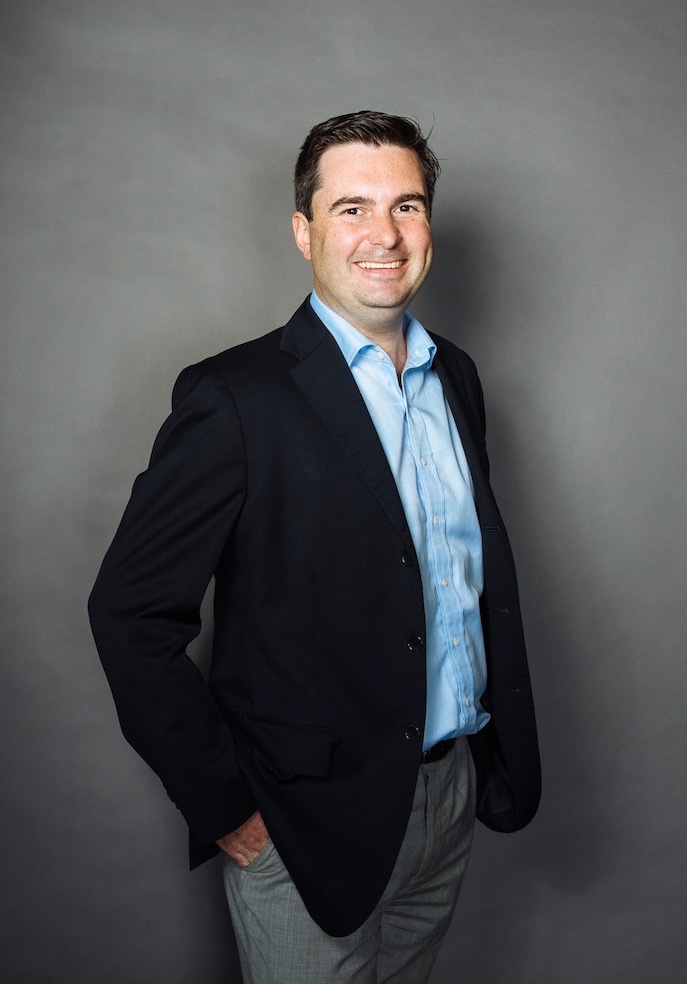 Alex Longley (OR95) 1. Tell us a bit about your current role and the area of landscaping you work in. As Founder and Managing Director of Arcadia, my role spans both the creative and commercial sides of the profession. I remain actively involved in landscape architecture, helping lead the design and delivery of major Tier 1 projects across a wide range of sectors, including residential, health, education, infrastructure and the public realm. At the same time, I lead a professional services business operating across eight studios and employing more than 110 landscape architecture professionals throughout Australia. The diversity of the role is what makes it so rewarding. One day, I may be working with clients and project teams to shape a significant public space or urban development; the next, I may be focused on business strategy, leadership development or supporting our teams to deliver design excellence. Ultimately, my role is about creating the conditions for great people to do great work and ensuring Arcadia continues to deliver landscapes that positively shape communities for generations to come. 2. What do you find most interesting or challenging about working in this field right now? It is a particularly exciting time to be working in our industry. Across Australia, there is strong demand for projects supporting housing, education, health, infrastructure and public open space, alongside major catalysts such as the Brisbane 2032 Olympic Games. This breadth of work presents enormous opportunities for landscape architects to help shape the communities and places of the future. At the same time, the industry faces significant challenges, including rising construction costs and ongoing labour shortages. These pressures make it more important than ever to deliver innovative, contemporary design solutions that are both cost-conscious and practical. The ability to balance design excellence with commercial realities is critical to the success of most projects—and that challenge is what makes the profession so interesting and rewarding right now. 3. How has the profession evolved since you started your career? Without question, the most significant evolution has been the growing expectations society places on the landscapes and public places people experience every day. Whether it is a new metro station, master-planned community or town centre, communities now expect thoughtfully designed, high-quality public and private spaces that enhance how people live, work and connect. This shift in expectations has elevated the importance of landscape architecture as a profession. Landscape design has moved from being a complementary element of development to a critical component in creating successful places. As designers, this presents both a challenge and an opportunity: to continually raise the bar and deliver meaningful, high-quality outcomes that respond to the needs and aspirations of the people who use them. 4. How did your time at Riverview shape your career or outlook? For me, the greatest influence of Riverview came after I left. The strength and diversity of the Riverview community have been instrumental in shaping my career and helping grow my business. Along the way, fellow Old Ignatians have become team members, collaborators, clients, board representatives and lifelong friends. Most importantly, the support, encouragement and confidence my mates have given me over the years have strengthened my belief to pursue opportunities and overcome the challenges that professional life inevitably throws at you. 5. If you could have dinner with any person, past or present, who would it be—and why? This is painful to admit … Richie McCaw. His leadership, humility and ability to build high-performing teams at the highest level of sport are qualities I greatly admire. I would value the opportunity to learn from his experiences in creating strong cultures, leading under pressure and sustaining excellence over time—with a few rugby stories thrown in. Alex Longley (OR95), Cheshire House Founder and Managing Director, Arcadia. Website: arcadiala.com.au LinkedIn: Alex Longley |